Why Coverage Gaps Catch Staten Island Homeowners Off Guard
Homeowners Insurance in Staten Island, NY is often assumed to be a safety net for anything that goes wrong with a house, but that belief can lead to costly surprises. Many homeowners only discover coverage gaps after a claim is denied, repairs pile up, and out-of-pocket costs skyrocket. That frustration is common, especially in a borough with coastal exposure, aging homes, and unpredictable weather. The good news is that once you understand what homeowners insurance does not cover, you can take steps to protect your property more effectively. This guide breaks down the most common exclusions, explains why they exist, and shows how Staten Island homeowners can plan ahead with smarter home insurance decisions.
The Difference Between What’s Insured and What’s Excluded
Home insurance policies are built around specific risks, known as covered perils. Anything outside those defined risks usually falls into an exclusion category. Insurance for homeowners is regulated at the state level in New York, so while policies share similarities nationwide, local risks heavily influence coverage options.
Most standard homeowners insurance policies include protection for:
- Fire and smoke damage
- Theft and vandalism
- Windstorms (with limitations)
- Certain types of water damage
However, exclusions exist to manage insurer risk and keep premiums affordable. Understanding these exclusions is essential when evaluating home insurance companies or comparing policy options.
Flood Damage Is Not Part of Standard Coverage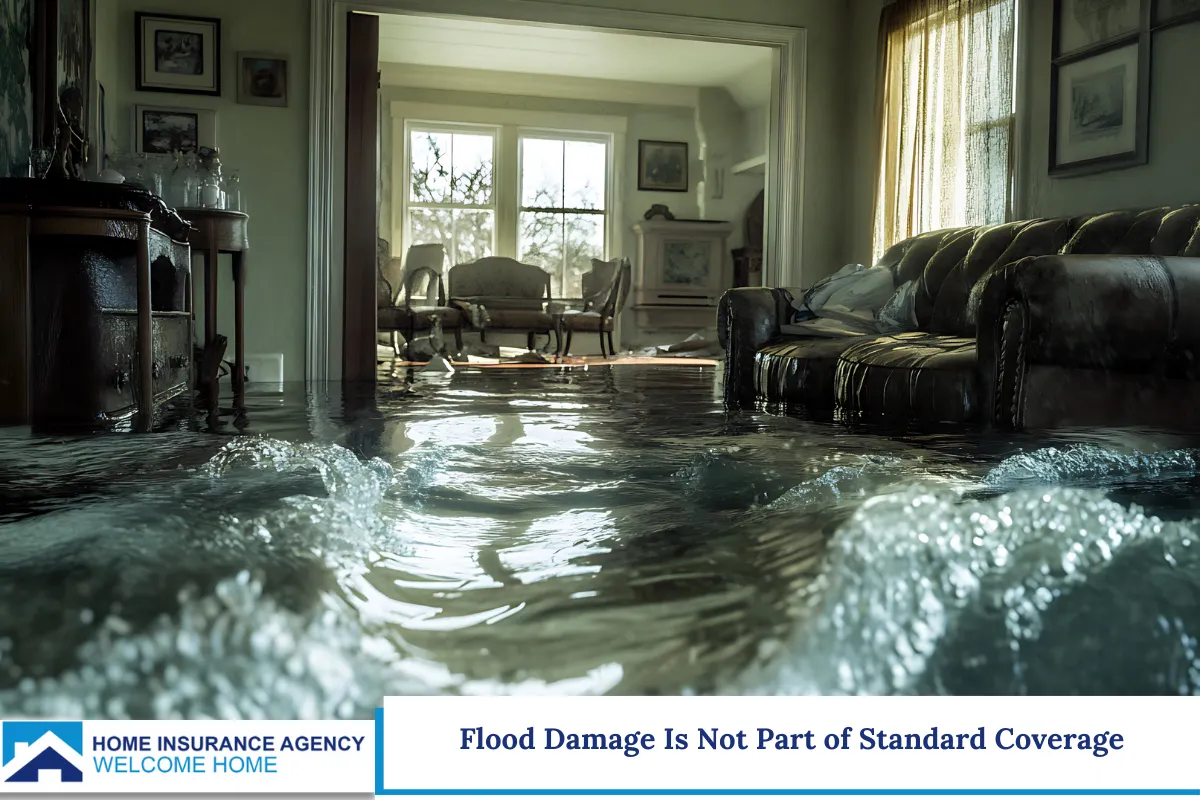
Why Flooding Is a Major Concern in Staten Island
Flooding is one of the most misunderstood exclusions in homeowners insurance. Standard policies do not cover flood damage, regardless of whether the source is storm surge, heavy rainfall, or coastal overflow. This is especially relevant for Staten Island, where proximity to water and low-lying neighborhoods increase flood exposure.
Separate Flood Insurance Is Required
Flood protection must be purchased separately, typically through a federal or private flood insurance program. This coverage is crucial for homeowners near coastal areas or flood zones, but even homes outside high-risk areas can experience flooding from severe storms.
Flood damage exclusions usually apply to:
- Structural damage from rising water
- Destroyed flooring and drywall
- Electrical system damage caused by flooding
- Mold resulting from prolonged water exposure
Without flood insurance, these losses are entirely the homeowner’s responsibility.
Earth Movement and Soil Shifting
What Counts as Earth Movement
Home insurance policies exclude damage caused by earth movement. This category is broader than many homeowners realize and includes:
- Earthquakes
- Landslides
- Sinkholes
- Soil shifting or settling
Even minor ground movement that cracks a foundation or damages walls is typically excluded.
Why This Matters for Older Homes
Many Staten Island homes were built decades ago, and soil settlement can gradually affect foundations. While slow settling is considered a maintenance issue, sudden movement can still fall under earth movement exclusions, leaving homeowners without coverage.
Wear, Tear, and Deferred Maintenance
Insurance Is Not a Maintenance Plan
Homeowners insurance is designed for sudden and accidental damage, not gradual deterioration. Wear and tear is one of the most common reasons claims are denied.
Examples include:
- Aging roofs that leak due to old shingles
- Plumbing failures caused by corrosion
- Electrical issues from outdated wiring
- Rotting wood or siding
Home insurance companies expect homeowners to maintain their property. Failing to address known issues can void coverage for related damage.
Mold Damage With Limited Exceptions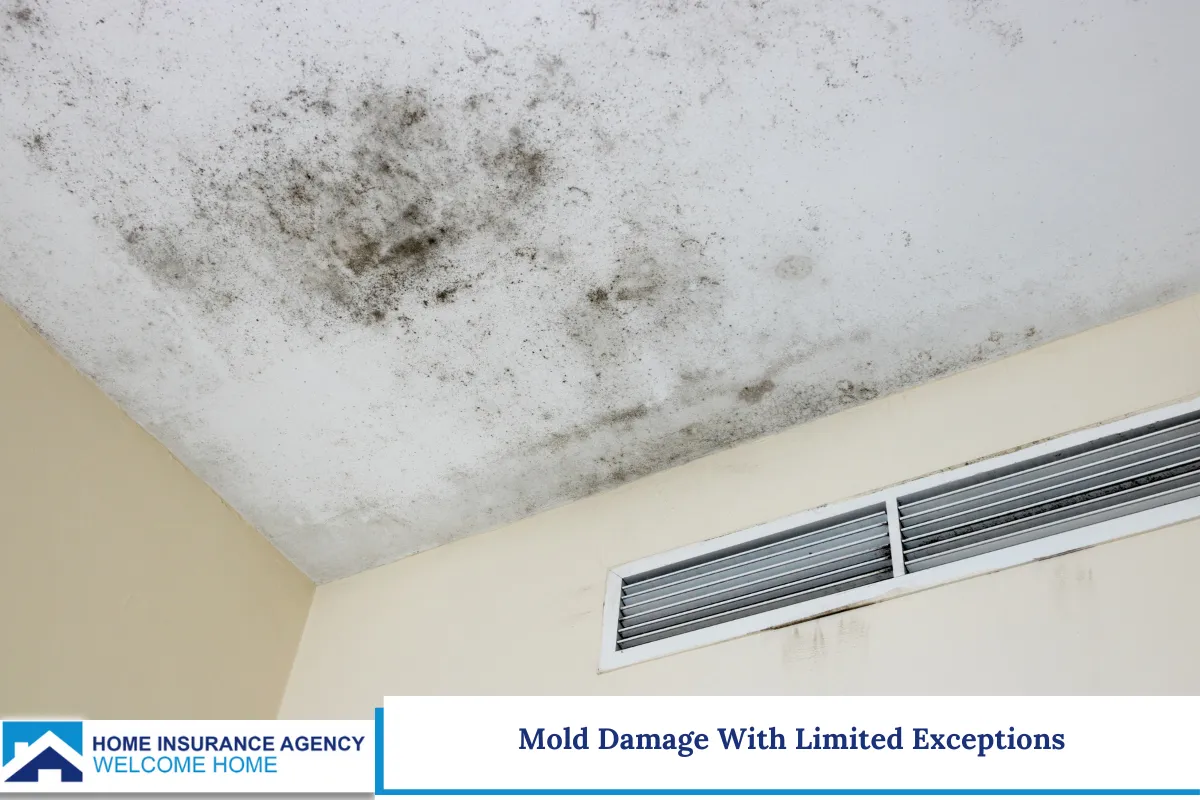
When Mold Is and Isn’t Covered
Mold coverage is limited and often misunderstood. If mold results from a covered peril, such as a burst pipe that is promptly addressed, some remediation may be covered. However, mold caused by long-term moisture, humidity, or neglect is usually excluded.
In Staten Island’s humid climate, basements and crawl spaces are especially vulnerable. Insurance for homeowners generally excludes mold that develops due to:
- Poor ventilation
- Chronic leaks
- Flooding without flood insurance
Some policies offer limited mold endorsements, but they often come with strict caps.
Sewer Backups and Drain Overflows
Not the Same as Flooding, Still Often Excluded
Sewer backups occur when wastewater flows back into a home through drains or toilets. This type of damage is not automatically covered by standard homeowners insurance.
Damage may include:
- Contaminated flooring
- Damaged walls and personal property
- Cleanup and sanitation costs
Many home insurance companies offer optional sewer backup endorsements. For homes with basements or older plumbing systems, this add-on can be essential.
High-Value Personal Property Limitations
Coverage Caps on Valuable Items
While homeowners insurance covers personal belongings, it places limits on certain categories of high-value items. These sub-limits apply even when the cause of loss is covered.
Commonly limited items include:
- Jewelry and watches
- Fine art and collectibles
- Firearms
- Electronics used for business
If the value of these items exceeds policy limits, additional riders or scheduled personal property coverage may be necessary.
Home-Based Business Losses
Personal Policies Have Business Exclusions
Running a business from home is increasingly common, but homeowners insurance is not designed to cover business-related risks. Losses tied to business equipment, inventory, or liability are often excluded.
Excluded scenarios may involve:
- Damage to business computers or tools
- Client injuries on the property
- Loss of income due to property damage
Separate business insurance or endorsements are typically required for adequate protection.
Read Homeowners Insurance in Staten Island, NY: Are Home Renovations Covered Under My Current Policy?
Acts of War, Terrorism, and Nuclear Hazards
Rare but Explicit Exclusions
Most home insurance policies exclude damage caused by acts of war, terrorism, or nuclear hazards. While these events are unlikely, the exclusions are clearly stated in policy language.
These exclusions exist because such events present catastrophic risks that private insurers cannot reasonably underwrite.
Intentional Damage and Illegal Activity
Claims Must Be Accidental
Homeowners insurance does not cover intentional acts. Damage caused deliberately by the homeowner or someone acting on their behalf is excluded.
Additionally, losses tied to illegal activities may be denied. For example:
- Damage from unpermitted renovations
- Fires caused by illegal wiring modifications
Following local building codes and permitting rules in Staten Island is essential to maintaining coverage.
Vacant or Unoccupied Homes
Coverage Changes When a Home Is Empty
If a home is vacant for an extended period, typically 30 to 60 days, coverage may be reduced or voided. Vacant homes are considered higher risk due to increased chances of vandalism, theft, or unnoticed damage.
Homeowners insurance may exclude:
- Vandalism
- Theft
- Certain water damage
Vacancy endorsements or specialized policies may be required during extended absences.
Coastal and Windstorm Limitations
Wind Coverage Is Not Always Straightforward
While wind damage is usually covered, coastal areas may have special deductibles or exclusions related to named storms or hurricanes. Staten Island homeowners should pay close attention to windstorm deductibles, which are often percentage-based rather than flat amounts.
These deductibles can significantly increase out-of-pocket costs after severe storms.
Ordinance and Law Exclusions
Building Code Upgrades Aren’t Always Covered
If a home is damaged and repairs must meet updated building codes, the additional costs may not be covered under standard homeowners insurance.
This is especially relevant for older homes in Staten Island. Ordinance or law coverage endorsements can help cover:
- Electrical upgrades
- Structural reinforcements
- Compliance with modern safety codes
Without this coverage, homeowners may face substantial unexpected expenses.
How Staten Island Regulations Influence Coverage
New York insurance regulations require transparency in policy language, but they do not mandate coverage for every risk. Homeowners are responsible for reviewing exclusions and understanding local risk factors, such as flood zones and coastal exposure.
Working with experienced professionals helps ensure that insurance for homeowners aligns with both state rules and neighborhood-specific risks.
Planning Ahead to Avoid Coverage Gaps
The most effective way to avoid uncovered losses is proactive planning. This includes:
- Reviewing policies annually
- Asking about endorsements and riders
- Comparing coverage options from different home insurance companies
- Assessing local risks unique to Staten Island
A well-structured policy balances affordability with meaningful protection.
Making Informed Decisions About Home Insurance
Understanding what homeowners insurance does not cover is just as important as knowing what it does. Coverage gaps are not flaws in the system but intentional boundaries that require homeowners to make informed choices.
By recognizing exclusions early, Staten Island homeowners can strengthen their financial protection and avoid costly surprises after a loss.
Homeowners Insurance in Staten Island, NY – Home Insurance Agency 
We know how confusing homeowners insurance can feel, especially when exclusions and fine print come into play. At Home Insurance Agency, we help Staten Island homeowners make sense of their coverage and identify gaps before they become expensive problems. Our team works closely with you to compare home insurance options, explain exclusions clearly, and recommend coverage that fits your property and lifestyle. Whether you’re concerned about flood risk, sewer backups, or high-value belongings, we guide you through practical solutions. Call us at (917) 636-9134 or fill out our contact form to speak with us today. We proudly serve Staten Island, New York, and the surrounding areas with reliable insurance for homeowners.
Frequently Asked Questions
What happens if my claim is denied due to an exclusion?
If a claim is denied, the insurer will provide a written explanation citing the specific policy exclusion. Homeowners can review the denial, request clarification, or appeal if they believe the damage should be covered. In some cases, disputes arise from unclear policy language or documentation issues. Understanding exclusions in advance helps prevent these situations. Adding endorsements or adjusting coverage before a loss occurs is usually the most effective solution, as exclusions cannot be changed after damage has already happened.
Can exclusions change when I renew my homeowners insurance policy?
Yes, exclusions can change at renewal. Insurance companies may update policy language, adjust coverage limits, or introduce new exclusions based on risk trends or regulatory changes. Homeowners should carefully review renewal documents each year rather than assuming coverage remains the same. Comparing updated terms with prior policies helps identify changes that could affect future claims. This review process is especially important in areas like Staten Island, where weather-related risks evolve over time.
Are rental properties treated differently under homeowners insurance?
Yes, rental properties require different coverage. Standard homeowners insurance is designed for owner-occupied homes. If a property is rented out, even part-time, coverage exclusions may apply. Landlord insurance policies address risks such as tenant-related damage and liability exposure. Using the wrong type of policy can lead to denied claims. Homeowners should disclose rental activity to their insurer to ensure appropriate coverage is in place.
Does homeowners insurance cover temporary housing during repairs?
Loss of use coverage may pay for temporary housing if a covered peril makes a home uninhabitable. However, if the damage results from an excluded event, such as flooding without flood insurance, temporary living expenses are not covered. Policy limits also apply. Understanding which events trigger loss of use coverage helps homeowners plan for emergencies and avoid unexpected housing costs during repairs.
Can exclusions affect my mortgage requirements?
Mortgage lenders typically require homeowners insurance, but they do not always require coverage for excluded risks like floods. However, lenders may mandate flood insurance if the home is in a designated flood zone. Failure to maintain required coverage can violate loan terms. Homeowners should align their insurance choices with lender requirements while also considering personal financial risk beyond minimum obligations.
Disclaimer: This article is for general informational purposes only and does not constitute legal or insurance advice. Coverage terms, exclusions, and availability may vary by policy and insurer. Homeowners should review their specific policy documents and consult with a licensed insurance professional for guidance tailored to their situation.