Why Renovating Without Reviewing Your Policy Can Cost You More Than You Expect
Homeowners Insurance in Staten Island, NY is designed to protect your home, but many property owners are unsure how renovations affect their current coverage. The problem begins when homeowners assume their policy automatically adjusts as their home changes. That assumption can be costly. Renovations increase property value, introduce new risks, and often involve contractors, permits, and structural changes that can leave dangerous coverage gaps. If damage, injury, or loss occurs mid-project, you may find your insurance for homeowners does not respond the way you expected. The solution is understanding how home insurance works during renovations and what steps you must take before construction begins. This article explains what is covered, what is excluded, and how Staten Island homeowners can protect their investment properly.
How Home Renovations Change the Risk Profile of Your Property
Renovations do more than improve comfort or resale value. They alter the insurance risk tied to your home. Home insurance policies are priced based on the structure, materials, square footage, and occupancy details reported at the time the policy was issued. When those details change, so does the risk exposure.
In Staten Island, renovations often include basement conversions, kitchen expansions, roof replacements, and structural updates to older homes. Each of these projects introduces new hazards, including fire risk, water damage, theft of materials, and liability exposure. If your home insurance company is not notified, your policy may no longer accurately reflect your property.
Failing to update your insurer can lead to underinsurance, denied claims, or reduced payouts, especially if the loss is directly connected to renovation work.
What Standard Homeowners Insurance Typically Covers During Renovations
Most homeowners insurance policies offer limited protection during renovations, but coverage depends on the nature and scale of the project. In general, standard home insurance may cover:
- Damage caused by a covered peril, such as fire or windstorm, during minor renovations
- Theft of building materials stored on-site, subject to policy limits
- Personal liability claims if a visitor is injured and the homeowner is not negligent
However, this coverage is often conditional. Insurance for homeowners usually excludes losses caused by faulty workmanship, improper materials, or unlicensed contractors. If a claim arises from construction errors, your insurer may deny it entirely.
Coverage also depends on whether the home remains occupied. Vacant or partially occupied homes face stricter policy limitations under most home insurance companies.
Renovations That Commonly Trigger Coverage Issues in Staten Island
Structural Changes and Additions
Projects that alter load-bearing walls, foundations, or rooflines significantly impact risk. These changes often require policy endorsements or higher dwelling limits. Without them, your homeowners insurance may only cover the pre-renovation structure.
Basement Finishing and Conversions
Basement renovations are popular in Staten Island, but they carry flood, moisture, and mold risks. Standard home insurance does not cover flood damage, even during construction. If you are converting a basement into a living space, coverage adjustments are critical.
Electrical and Plumbing Upgrades
Modernizing older systems improves safety, but temporary exposure during renovation increases the chance of fire or water damage. Claims related to improper installation are commonly excluded under home insurance policies.
High-End Kitchen and Bathroom Remodels
Luxury finishes increase replacement costs. If your dwelling coverage is not updated, your policy may not pay to replace upgraded materials after a loss.
When You Must Notify Your Home Insurance Company
You should notify your insurer before starting any renovation that:
- Exceeds cosmetic updates
- Requires permits from New York City authorities
- Increases the home’s square footage or value
- Involves structural, electrical, or plumbing changes
- Leaves the home vacant or uninhabitable
In Staten Island, permit requirements are strictly enforced, and insurers often request documentation. Failure to disclose renovations can be considered material misrepresentation, which may jeopardize future claims.
Builder’s Risk Insurance vs. Standard Home Insurance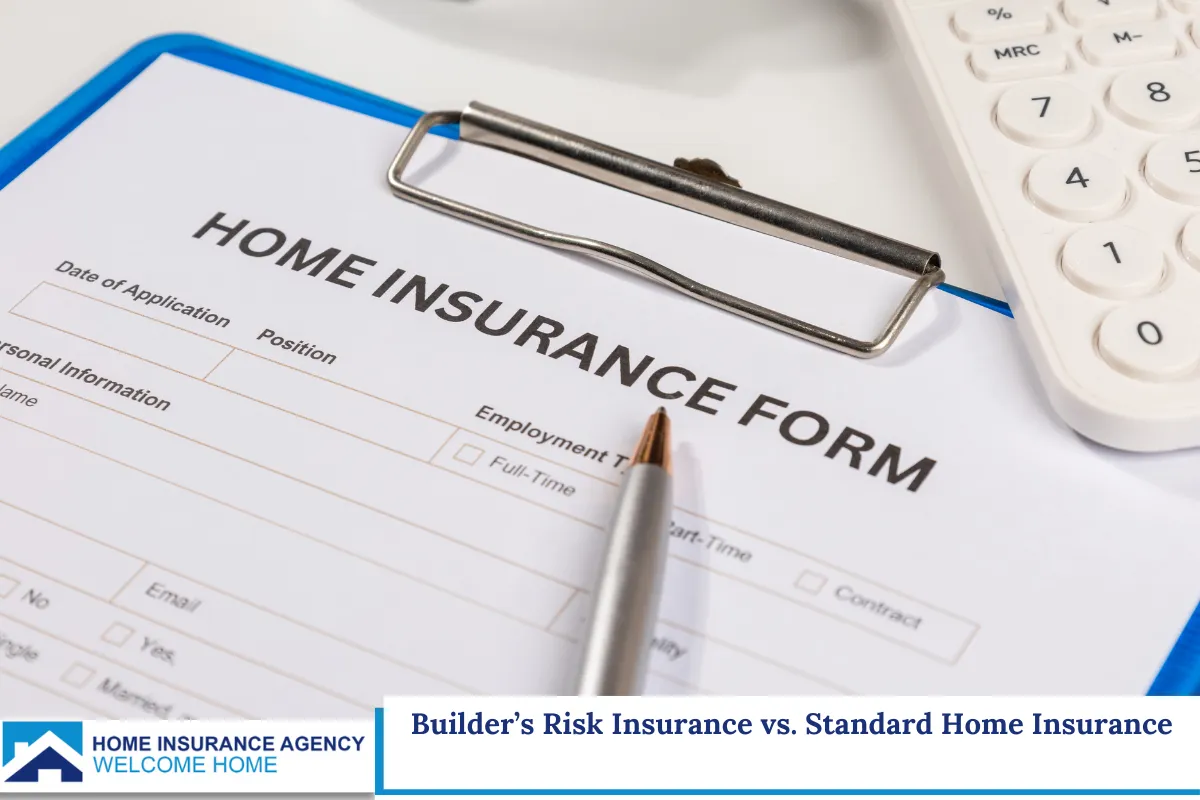
For major renovations, standard homeowners insurance may not be enough. Builder’s risk insurance is a temporary policy designed to cover homes under construction or substantial renovation.
Builder’s risk insurance typically covers:
- The structure while under renovation
- Building materials on-site
- Damage from fire, vandalism, and certain weather events
This type of coverage is especially relevant for large projects where the home is partially demolished or unoccupied. Some home insurance companies offer endorsements instead of separate policies, but coverage terms vary.
Understanding whether your project qualifies as a renovation or a rebuild is critical when evaluating insurance for homeowners.
Contractor Insurance Does Not Replace Your Coverage
Many homeowners assume their contractor’s insurance will protect them if something goes wrong. While contractors are required to carry liability and workers’ compensation insurance in New York, their policies only cover their negligence.
Your homeowners insurance is still responsible for:
- Damage to your existing structure
- Liability claims unrelated to contractor fault
- Theft or vandalism outside the contractor’s scope
You should always request certificates of insurance from contractors, but never rely on them as a substitute for proper home insurance coverage.
Read What’s Not Covered by Homeowners Insurance in Staten Island, NY?
Liability Risks Increase During Renovation Projects
Renovations increase foot traffic, equipment hazards, and exposure to injury claims. If a neighbor, delivery driver, or visitor is injured on your property, you may be held liable.
Homeowners insurance includes personal liability coverage, but policy limits may not be sufficient during construction. In some cases, insurers recommend increasing liability limits or adding an umbrella policy for additional protection.
In Staten Island’s dense residential neighborhoods, liability exposure is higher due to close proximity to neighboring properties and shared access points.
Renovations, Permits, and Insurance Compliance in Staten Island
New York City building regulations apply fully to Staten Island. Most structural, electrical, plumbing, and occupancy changes require permits and inspections. Insurance carriers often request proof of compliance when processing claims.
Unpermitted work can lead to:
- Claim denials
- Policy non-renewal
- Legal penalties and fines
Home insurance companies expect homeowners to follow local laws. Compliance protects not only your legal standing but also your coverage eligibility.
How Renovations Affect Your Policy Limits and Premiums
Renovations that increase property value require higher dwelling coverage limits. If your home was insured for replacement cost before renovation, that amount may no longer be sufficient.
Adjustments may include:
- Increased dwelling coverage
- Updated personal property limits
- Higher premiums reflecting increased risk
While premium increases are expected, they are far less costly than paying out of pocket after a loss. Properly updated homeowners insurance ensures your investment is fully protected.
Common Renovation-Related Claim Denials Homeowners Face
Understanding exclusions helps avoid surprises. Claims are often denied when losses result from:
- Faulty workmanship
- Design defects
- Use of unlicensed contractors
- Gradual damage not sudden or accidental
- Undisclosed renovations
Reading your policy carefully and consulting with an experienced home insurance agency can help prevent these issues.
Smart Steps to Protect Your Coverage Before Renovating
Before starting any renovation in Staten Island, homeowners should:
- Review their current homeowners insurance policy
- Notify their insurance provider in writing
- Confirm whether builder’s risk coverage is needed
- Increase dwelling and liability limits if necessary
- Verify contractor licensing and insurance
- Maintain documentation throughout the project
These steps reduce financial risk and ensure smoother claims handling if something goes wrong.
Final Thoughts on Renovations and Insurance Protection
Renovating a home in Staten Island is an exciting investment, but it also introduces serious insurance considerations. Home insurance policies are not static, and assuming coverage automatically adapts can lead to devastating financial consequences. Understanding how homeowners insurance responds during renovations allows you to make informed decisions, comply with local laws, and protect your property properly. The right insurance strategy ensures that your improvements enhance your home’s value without exposing you to unnecessary risk.
Homeowners Insurance in Staten Island, NY – Home Insurance Agency 
At Home Insurance Agency, we help Staten Island homeowners protect what matters most before, during, and after renovations. We understand how homeowners insurance policies respond to construction risks, liability exposure, and increased property values. Our team works closely with you to review your current home insurance, identify coverage gaps, and recommend solutions that fit your project and budget. Whether you are planning a remodel or already mid-renovation, we make insurance for homeowners simple and clear. We proudly serve Staten Island, New York and the surrounding areas. Call us today at (917) 636-9134 or fill out our contact form to get reliable guidance and coverage you can trust.
Frequently Asked Questions
Does homeowners insurance cover renovation delays caused by weather?
Most homeowners insurance policies do not cover construction delays, even when weather is involved. Coverage typically applies only to direct physical damage caused by a covered peril. Delays, increased labor costs, or scheduling issues are considered indirect losses and are excluded. Builder’s risk insurance may offer limited protection, but terms vary. Always review policy language carefully before starting a project.
Can my insurance be canceled if I renovate without notifying my insurer?
Yes. In New York, failing to disclose material changes such as major renovations can result in policy cancellation or non-renewal. Insurers rely on accurate risk information. If a claim occurs and undisclosed renovations are discovered, the insurer may deny coverage or terminate the policy retroactively.
Are luxury upgrades fully covered under standard home insurance?
Not automatically. High-end materials, custom cabinetry, and specialty finishes often exceed standard replacement cost limits. Homeowners insurance must be updated to reflect the new replacement value. Without adjustments, payouts may only cover basic materials, leaving homeowners responsible for the difference.
Does homeowners insurance cover tools and equipment used during renovations?
Personal tools owned by the homeowner may be covered under personal property limits, subject to exclusions. Tools owned by contractors are not covered by your home insurance. Coverage for theft or damage depends on policy terms, location of the items, and whether the loss occurred during construction.
Will my insurance cover injuries to contractors working on my home?
Generally, no. Licensed contractors should carry workers’ compensation insurance that covers their injuries. If a contractor lacks proper coverage, the homeowner could face liability exposure. Verifying contractor insurance before work begins is essential to protect your homeowners insurance coverage.
Disclaimer: This article is for general informational purposes only and does not constitute legal or insurance advice. Coverage terms vary by policy and insurer. Always consult a licensed insurance professional regarding your specific situation.