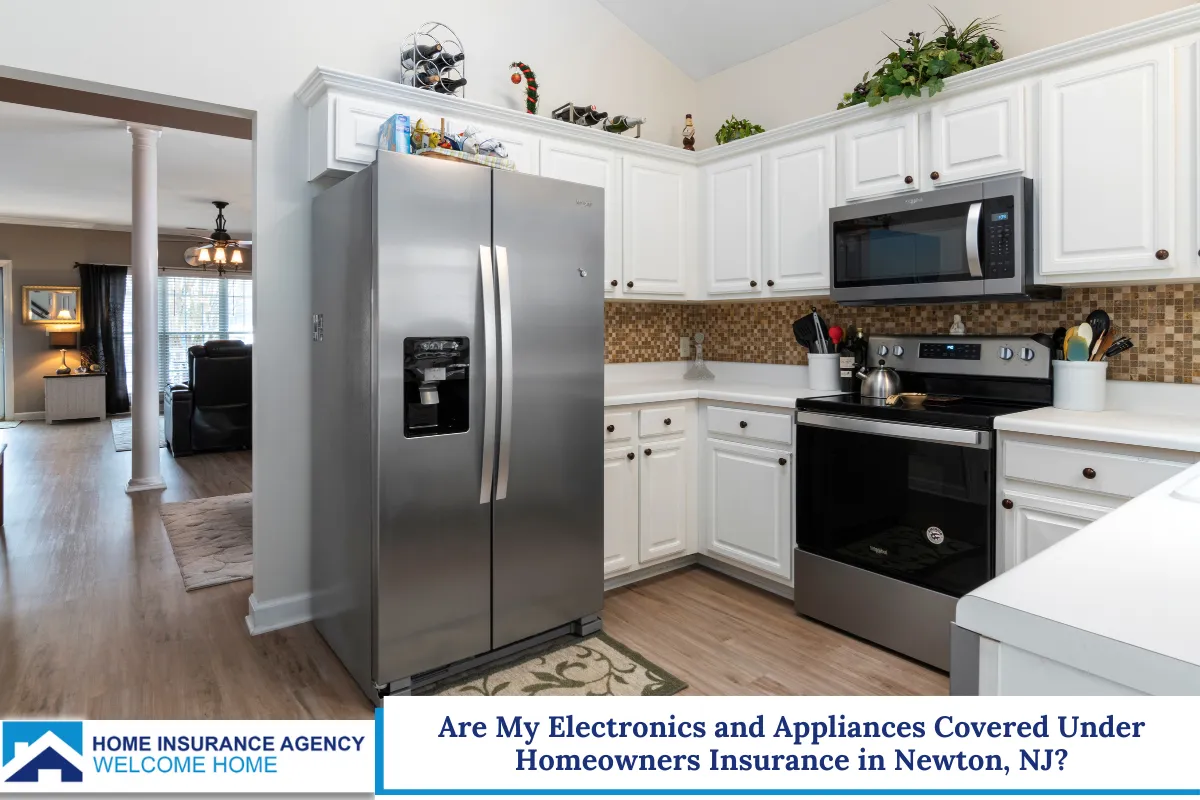
When Expensive Devices Are at Risk Inside Your Home
Homeowners Insurance in Newton, NJ is often purchased with peace of mind, but many homeowners are surprised when they discover how electronics and appliances are actually covered. Televisions, laptops, kitchen appliances, and smart home systems represent a significant investment, and damage or loss can happen faster than expected. A power surge, sudden fire, burst pipe, or theft can leave you facing thousands of dollars in replacement costs. That uncertainty can be stressful, especially if you assume everything inside your home is fully protected. The good news is that home insurance does provide coverage for many of these items. The key is understanding how coverage works, where limits apply, and what steps you can take to ensure your electronics and appliances are properly insured.
How Home Insurance Typically Protects Personal Property
Most insurance for homeowners includes personal property coverage, which applies to belongings inside your home. This part of a standard homeowners insurance policy usually covers electronics and appliances if they are damaged or destroyed by a covered peril.
Personal property coverage often applies whether items are located inside your house, garage, or even temporarily outside the home. In many cases, coverage extends beyond your property, such as electronics stolen from your car or luggage while traveling.
However, coverage is not unlimited. Policies set limits, define covered causes of loss, and apply deductibles. Understanding these factors helps Newton homeowners avoid surprises during a claim.
Covered Perils That Commonly Affect Electronics and Appliances
Home insurance policies in New Jersey typically operate on either named-peril or open-peril coverage for personal property. Most standard policies list specific events that qualify for coverage.
Common covered perils include:
- Fire and smoke damage
- Theft and vandalism
- Windstorms and hail
- Explosions
- Sudden plumbing leaks or burst pipes
- Damage from falling objects
- Electrical damage caused by lightning
If your refrigerator is damaged in a house fire or your television is stolen during a break-in, homeowners insurance usually helps cover the loss. The same applies to electronics damaged by lightning strikes or sudden power events tied to covered causes.
Situations Where Coverage May Be Limited or Denied
While many losses are covered, there are important exclusions that homeowners in Newton should be aware of. Home insurance is designed to protect against sudden and accidental events, not predictable wear or maintenance issues.
Common exclusions include:
- Normal wear and tear
- Mechanical breakdowns
- Manufacturer defects
- Gradual water damage
- Pest-related damage
- Flooding from external sources
For example, if a dishwasher fails due to age or poor maintenance, home insurance companies generally will not cover repairs or replacement. Flood-related damage to appliances typically requires separate flood insurance, which is not included in standard homeowners insurance policies in New Jersey.
Actual Cash Value vs Replacement Cost Explained
How much you receive after a claim depends on how your policy values personal property. This distinction matters greatly for electronics and appliances.
Actual cash value coverage pays for the item’s depreciated value. A five-year-old television will be reimbursed for what it is worth today, not what you paid originally.
Replacement cost coverage pays the amount needed to replace the item with a new one of similar kind and quality, without subtracting depreciation.
Many home insurance policies default to actual cash value unless replacement cost is added. For homeowners with high-value electronics, replacement cost coverage often provides better protection and fewer out-of-pocket expenses.
Coverage Limits That Affect Electronics and Appliances
Personal property coverage limits are usually expressed as a percentage of your dwelling coverage. For example, if your home is insured for $300,000, personal property coverage might be set at 50% to 70% of that amount.
This total limit applies to all belongings combined, not individual items. If you experience a major loss, such as a fire, the total value of electronics and appliances may exceed your policy limit.
Some items may also have sub-limits. While electronics typically do not have strict caps like jewelry or collectibles, high-end home systems, servers, or specialty equipment may face restrictions depending on the policy.
Smart Home Devices and Modern Technology Coverage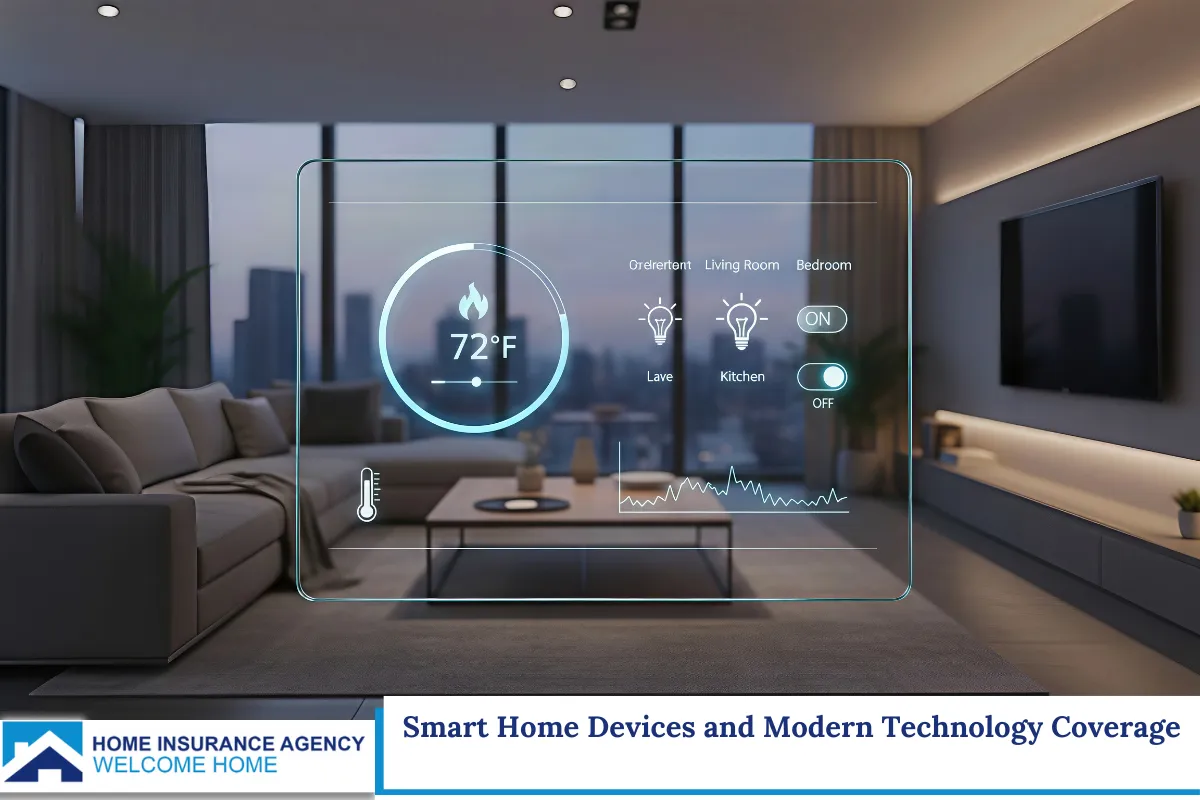
As more homes in Newton adopt smart technology, homeowners often wonder how these devices are insured. Smart thermostats, security systems, cameras, and integrated home automation equipment are usually treated as personal property or part of the dwelling, depending on installation.
Hardwired systems permanently installed in the home may fall under dwelling coverage. Portable smart devices are typically covered under personal property.
It is important to review your policy carefully if your home relies heavily on technology. Some advanced systems may require additional coverage endorsements to ensure full protection.
Read Are Landscaping and Trees Covered by Homeowners Insurance in Newton, NJ?
Power Surges and Electrical Damage: What to Know
Electrical damage is a common concern for electronics and appliances. Coverage depends on the cause of the surge.
Lightning strikes and sudden electrical events related to covered perils are usually included. However, surges caused by utility company issues or internal wiring problems may not always qualify.
Some home insurance companies offer optional equipment breakdown coverage. This endorsement can cover damage caused by power surges, motor burnout, and mechanical failure, filling a gap left by standard homeowners insurance policies.
Theft Protection for Electronics Inside and Outside the Home
Theft coverage is a key benefit of homeowners insurance. Electronics stolen during a burglary are typically covered after you pay your deductible.
Coverage may also extend to items stolen away from your home, such as a laptop taken from your car or hotel room. Limits may apply, and proof of ownership is often required.
Keeping receipts, serial numbers, and photos of your electronics can make the claims process smoother and faster.
Appliances Covered as Part of the Home Structure
Large appliances can fall into different coverage categories depending on how they are installed. Built-in appliances such as furnaces, water heaters, and central air conditioning systems are usually considered part of the dwelling.
If these items are damaged by a covered peril, dwelling coverage typically applies. Portable appliances like microwaves, washers, and dryers are usually covered under personal property.
Understanding this distinction helps ensure you have adequate coverage limits in both areas of your policy.
Endorsements That Expand Protection for Homeowners
Standard home insurance policies may not provide enough coverage for every household. Endorsements allow homeowners to customize their policies.
Common add-ons include:
- Replacement cost upgrades
- Equipment breakdown coverage
- Increased personal property limits
- Scheduled coverage for high-value items
These options can be especially valuable if your home contains expensive electronics, custom appliances, or advanced technology systems.
How Deductibles Impact Claims for Electronics and Appliances
Every homeowners insurance claim involves a deductible. This is the amount you pay before coverage applies.
If your deductible is $1,000 and your damaged appliance costs $1,200 to replace, the insurance payout may be minimal. Choosing the right deductible balances monthly premium savings with realistic claim scenarios.
Homeowners in Newton should review deductibles carefully to ensure coverage makes financial sense for common electronics and appliance losses.
Inventorying Your Home for Better Insurance Protection
A detailed home inventory is one of the most effective ways to protect your belongings. Listing electronics and appliances with purchase dates, prices, and photos helps establish value during a claim.
Digital inventories stored securely online are especially useful in the event of a major loss. This documentation helps avoid disputes and speeds up the settlement process with home insurance companies.
Local Considerations for Newton, New Jersey Homeowners
New Jersey homeowners face specific risks, including winter storms, power outages, and aging infrastructure. These factors can increase the likelihood of appliance damage or electronic loss.
Understanding how local conditions affect insurance claims helps homeowners choose coverage that aligns with real-world risks. Reviewing policies regularly ensures your home insurance remains appropriate as your home and technology evolve.
Making Sense of Coverage Before You Need It
The best time to understand homeowners insurance coverage is before a loss occurs. Reviewing policy language, limits, and endorsements helps prevent frustration during stressful situations.
Electronics and appliances represent daily convenience and long-term investment. Ensuring they are properly covered protects both your finances and your peace of mind.
Homeowners Insurance in Newton, NJ – Home Insurance Agency 
At Home Insurance Agency, we help homeowners protect what matters most. Our team works closely with families in Newton, New Jersey and the surrounding areas to build homeowners insurance solutions that make sense for modern homes. We understand how electronics and appliances fit into your daily life, and we take the time to explain coverage options clearly. When you work with us, we focus on real protection, not guesswork. If you have questions about insurance for homeowners or want to review your current home insurance policy, call us today at (732) 597-6131 or fill out our contact form. We are here to help you protect your home with confidence.
Frequently Asked Questions
Does homeowners insurance cover electronics damaged by water leaks?
Homeowners insurance may cover electronics damaged by sudden water leaks, such as a burst pipe or appliance failure, if the event is considered accidental and covered by the policy. Gradual leaks or long-term moisture damage are usually excluded. Coverage depends on how quickly the issue occurred and whether proper maintenance was performed. Reviewing your policy details is essential.
Are kitchen appliances covered if they stop working unexpectedly?
If a kitchen appliance stops working due to mechanical failure or age, homeowners insurance typically does not cover repairs or replacement. Coverage usually applies only when damage is caused by a covered peril, such as fire or electrical surge. Optional equipment breakdown coverage may help protect against unexpected failures.
Will homeowners insurance cover electronics damaged during a power outage?
Damage caused directly by a covered event, such as lightning, may be covered. However, damage from general power outages or utility-related issues is often excluded. Some policies offer optional coverage that specifically addresses electrical and mechanical damage beyond standard protections.
How do I prove the value of my electronics during a claim?
Providing receipts, photos, serial numbers, or bank statements helps establish ownership and value. A home inventory significantly simplifies this process. Without documentation, insurance companies may estimate value based on general depreciation schedules, which can reduce payouts.
Is coverage different for renters and homeowners?
Yes. Renters insurance covers personal property but does not include dwelling coverage. Homeowners insurance protects both the structure and belongings. Appliances provided by landlords are usually covered under the property owner’s policy, while personal electronics are covered under the renter’s insurance policy.
Disclaimer: This article is for general informational purposes only and does not constitute insurance advice. Coverage options, limits, and exclusions vary by policy. Always review your individual policy and consult a licensed insurance professional for guidance specific to your situation.