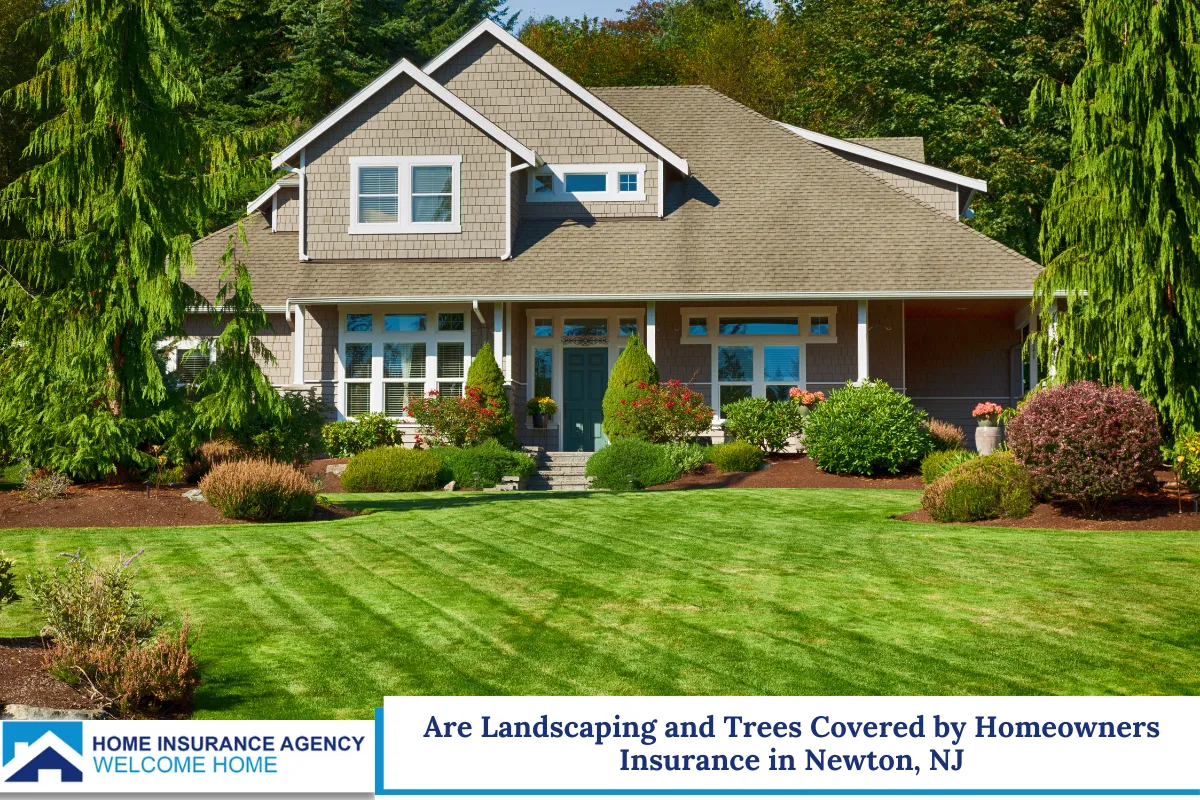
When Outdoor Damage Becomes a Costly Surprise
Homeowners Insurance in Newton, NJ is often purchased with the expectation that it protects the entire property, yet many homeowners are shocked to discover gaps when landscaping or trees are damaged. A severe storm knocks down a mature tree, a fire spreads through shrubs, or vandalism ruins expensive landscaping features—suddenly, the question becomes whether home insurance actually helps. The frustration grows when repair costs climb into the thousands. The good news is that insurance for homeowners can provide coverage for landscaping and trees in certain situations. Understanding how policies treat outdoor property, coverage limits, and exclusions helps you avoid surprises and plan smarter protection for your home.
How Home Insurance Views Landscaping and Outdoor Property
Home insurance policies are structured around categories of coverage, and landscaping usually falls under personal property or a special subcategory within homeowners insurance. Trees, plants, shrubs, and lawns are generally considered part of the property but are treated differently from the home’s structure.
Most home insurance companies include limited protection for landscaping as part of a standard homeowners insurance policy. This coverage typically applies when damage results from specific named perils, such as fire, lightning, vandalism, theft, or certain weather events.
However, coverage is not unlimited. Policies often place caps on how much they will pay for landscaping losses, regardless of the overall policy limit. Understanding this distinction is essential for homeowners in Newton, New Jersey, where seasonal storms and winter weather can put outdoor property at risk.
Covered Perils That May Apply to Trees and Landscaping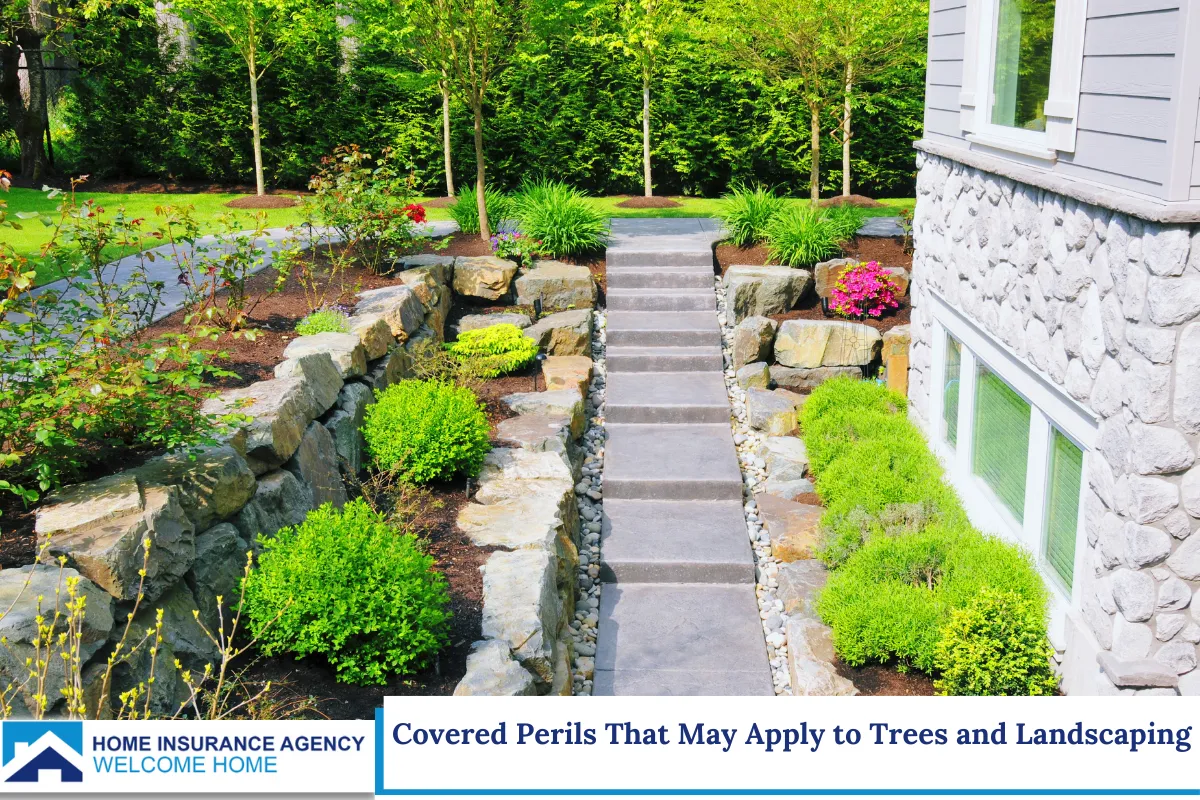
Fire and Lightning Damage
Fire is one of the most common covered causes of loss for landscaping. If a fire damages trees, bushes, or plants on your property, homeowners insurance usually provides compensation up to the policy’s landscaping limit. Lightning strikes that kill or damage trees may also qualify under this category.
Windstorms and Hail—With Conditions
Wind and hail coverage can be tricky. While damage caused directly by windstorms or hail may be covered, many home insurance policies exclude coverage for fallen trees unless they damage a covered structure, such as the house, garage, or fence. In Newton, NJ, where nor’easters and heavy winds are not uncommon, this limitation is particularly important.
Vandalism and Theft
Intentional damage caused by vandalism is typically covered under insurance for homeowners. If someone deliberately cuts down a tree or destroys landscaping, your policy may reimburse you. Theft of plants or shrubs, while less common, is also generally included in standard homeowners insurance policies.
Situations Where Landscaping Is Not Covered
Flooding and Groundwater Damage
Flood damage is almost always excluded from standard home insurance. If excessive rain causes flooding that kills plants or trees, homeowners insurance will not apply. Separate flood insurance is required for protection against this risk, especially for properties in flood-prone areas of Sussex County.
Disease, Rot, and Insect Infestation
Gradual damage caused by disease, fungus, rot, or insects is considered a maintenance issue. Home insurance companies do not cover landscaping losses related to poor health or long-term deterioration of trees and plants.
Normal Wear and Tear
Insurance for homeowners is designed to protect against sudden and accidental events, not aging or natural decline. Trees that fall due to old age or weak roots without a covered peril are typically excluded.
Coverage Limits for Landscaping Under Homeowners Insurance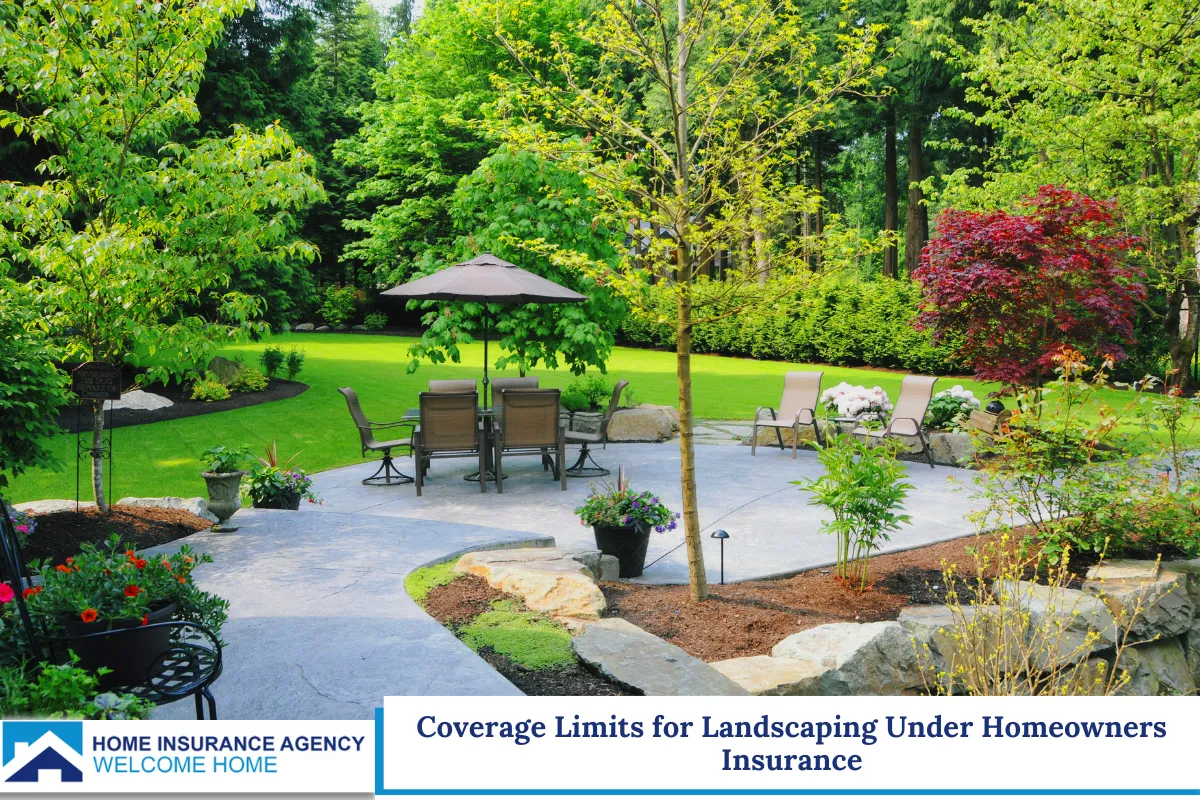
Percentage-Based Caps
Most homeowners insurance policies limit landscaping coverage to a percentage of the dwelling coverage, often around 5%. Within that cap, there may be additional limits per tree, plant, or shrub, sometimes ranging from $500 to $1,000 each.
For example, if your home is insured for $400,000, landscaping coverage might be capped at $20,000 total, with individual item limits applying. This structure can leave homeowners underinsured if they have invested heavily in mature trees or custom landscaping features.
Debris Removal and Tree Cleanup
Debris removal is another area with limits. If a tree falls due to a covered peril, homeowners insurance may pay for removal only if the tree damages a covered structure or blocks a driveway. Removing a fallen tree from the yard alone is often excluded.
Special Considerations for Newton, New Jersey Homeowners
Local Weather Patterns and Risk Exposure
Newton experiences a mix of seasonal risks, including winter storms, heavy snow, ice accumulation, and strong winds. These conditions increase the likelihood of tree damage. While home insurance provides some protection, understanding exclusions related to snow load or ice damage is critical.
Local Ordinances and Tree Removal Rules
In some cases, local regulations may require homeowners to remove damaged or hazardous trees. Home insurance may not cover costs associated with compliance unless the damage resulted from a covered peril. Reviewing both your policy and local ordinances helps avoid unexpected expenses.
How Optional Endorsements Can Expand Coverage
Increased Landscaping Coverage Endorsements
Some home insurance companies offer endorsements that increase coverage limits for landscaping. These add-ons can be valuable for homeowners with extensive outdoor investments, including ornamental trees, gardens, or professionally designed landscapes.
Equipment and Outdoor Structures
Items such as irrigation systems, lighting, retaining walls, and decorative features may not be fully covered under standard homeowners insurance. Optional endorsements or separate coverage categories can help protect these assets.
Read Are My Electronics and Appliances Covered Under Homeowners Insurance in Newton, NJ?
Filing a Landscaping or Tree Damage Claim
Documenting the Loss
Proper documentation is essential when filing a claim. Photos, videos, receipts, and professional assessments help demonstrate the value and cause of the damage. This is especially important for landscaping, where value can be subjective.
Working With Adjusters
Insurance adjusters evaluate claims based on policy terms and the cause of loss. Being informed about your homeowners insurance coverage helps you communicate effectively and avoid misunderstandings during the claims process.
Timing and Preventive Actions
Prompt reporting is crucial. Delays can complicate claims or lead to denial. Additionally, taking reasonable steps to prevent further damage, such as securing loose debris, is often required under insurance for homeowners.
Why Reviewing Your Policy Matters More Than You Think
Homeowners insurance policies are not one-size-fits-all. Coverage details vary between home insurance companies and even between policies from the same provider. Reviewing your policy annually ensures it reflects changes to your property, including new landscaping or tree growth.
As property values and replacement costs increase in Newton, NJ, homeowners should reassess whether existing limits still provide adequate protection for both the home and outdoor features.
Making Smarter Insurance Decisions for Outdoor Protection
Landscaping adds beauty, value, and enjoyment to your home, but it also represents a financial investment. Knowing how homeowners insurance treats trees and outdoor property allows you to make informed decisions about coverage, endorsements, and risk management.
Proactive planning, combined with a clear understanding of policy terms, can prevent costly surprises and ensure your home insurance works as intended when the unexpected happens.
Homeowners Insurance in Newton, NJ – Home Insurance Agency 
At Home Insurance Agency, we help homeowners protect more than just their houses—we help safeguard the full value of their property. Based in Newton, New Jersey, we proudly serve the surrounding areas with reliable homeowners insurance solutions tailored to real-life risks. We take the time to explain how coverage applies to landscaping, trees, and outdoor features so there are no surprises later. Our team works closely with you to compare options from trusted home insurance companies and find coverage that fits your needs and budget. If you want clarity, confidence, and responsive service, call us at (732) 597-6131 or fill out our contact form today. We’re ready to help.
Frequently Asked Questions
Does homeowners insurance cover preventive tree maintenance?
Most homeowners insurance policies do not cover preventive maintenance such as trimming, pruning, or removing healthy trees. These tasks are considered routine upkeep and the homeowner’s responsibility. However, regular maintenance can reduce the risk of covered losses, such as storm-related damage. Some insurers may view proactive care favorably when assessing claims, especially if neglect contributed to the loss. While insurance for homeowners won’t reimburse maintenance costs, investing in preventive care can help avoid denied claims and costly repairs later.
Are fallen trees covered if they damage a neighbor’s property?
If a tree from your property falls and damages a neighbor’s home or fence due to a covered peril, your liability coverage under homeowners insurance may apply. Liability coverage helps pay for damage or injuries you are legally responsible for. However, if the tree was healthy and fell due to natural causes, responsibility may depend on local laws and circumstances. It’s important to understand how liability works within your home insurance policy.
Can landscaping coverage affect my homeowners insurance premium?
Landscaping coverage itself usually has a minimal impact on premiums, but adding endorsements to increase limits can slightly raise costs. The value and complexity of your outdoor property may influence underwriting decisions. Home insurance companies consider overall risk exposure, including large trees near structures. Reviewing coverage options with an agent helps balance protection and affordability without overpaying for unnecessary coverage.
Does homeowners insurance cover damage from snow-loaded branches?
Snow and ice damage can be complicated. If heavy snow causes a tree branch to break and damage a covered structure, homeowners insurance may cover the resulting damage. However, damage to the tree itself is often excluded unless another covered peril applies. In regions like Newton, NJ, where snow accumulation is common, understanding these distinctions is essential when evaluating winter-related risks.
Are newly planted trees covered immediately?
Newly planted trees are generally covered under homeowners insurance, but reimbursement may be limited to actual cash value rather than replacement cost. This means depreciation may apply. Additionally, coverage limits per plant still apply, regardless of age. Keeping records of landscaping improvements helps support claims and ensures your policy accurately reflects your property’s current condition.
Disclaimer: This article is for general informational purposes only and does not constitute legal or insurance advice. Coverage terms, limits, and exclusions vary by policy and insurer. Homeowners should review their individual policy and consult with a licensed insurance professional for guidance specific to their situation.
Read Newton Insurance for Homeowners: How Do Insurers Assess the Risk of Insuring My Property?