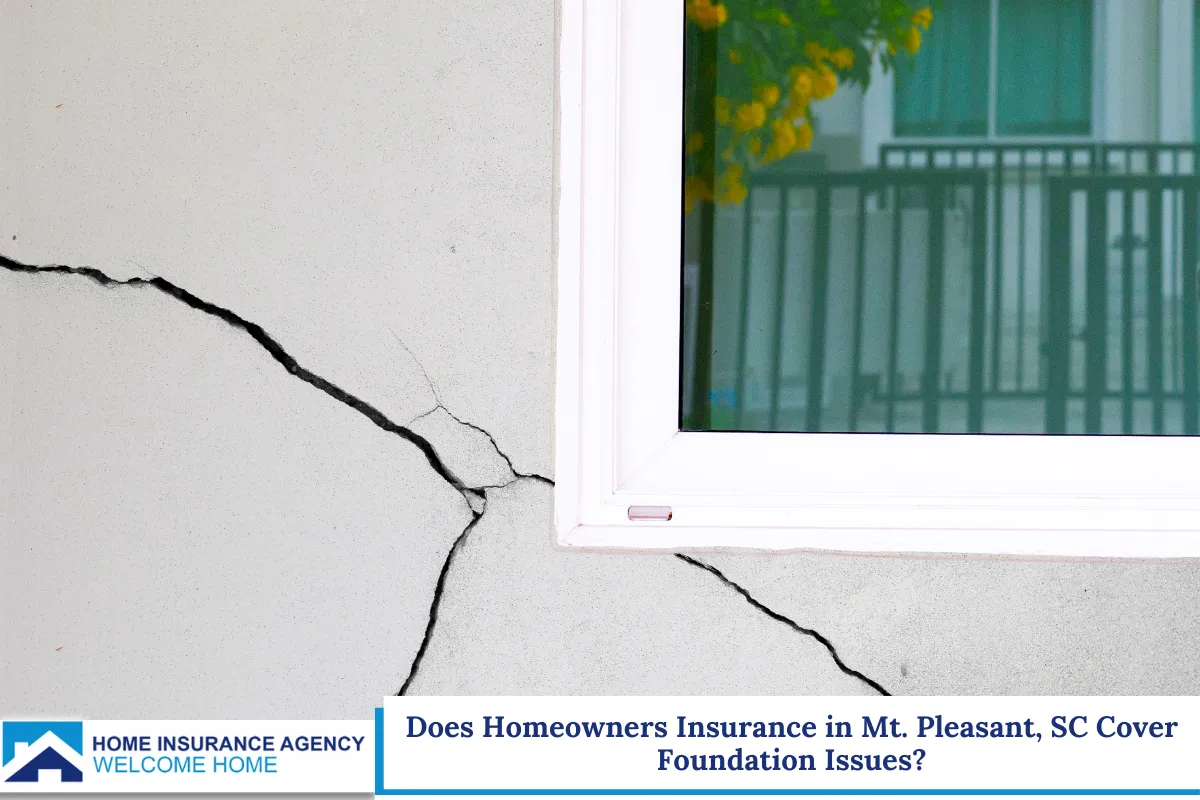
Homeowners Insurance in Mt. Pleasant, SC often comes up when people search for reliable coverage guidance, and the same confusion exists for homeowners in Mt. Pleasant, South Carolina—especially when foundation problems appear. Foundation damage can start small, then spiral into a costly structural nightmare that threatens the safety and value of your home. Cracks, shifting floors, and moisture intrusion can make homeowners anxious, particularly when repairs run into tens of thousands of dollars. The biggest question is whether homeowners insurance will actually help. The answer is not always simple. Coverage depends on what caused the damage, how your policy is written, and whether exclusions apply. This article breaks down exactly how homeowners insurance works for foundation issues in Mt. Pleasant, SC, so you can protect your home with clarity and confidence.
Why Foundation Problems Are a Serious Concern for Mt. Pleasant Homes
Mt. Pleasant’s coastal geography creates unique challenges for homeowners. Many properties sit on sandy or clay-rich soil, and the area’s high water table can increase moisture-related risks. Over time, soil movement, erosion, and water pressure can compromise a home’s foundation.
Common warning signs homeowners notice include:
- Cracks in interior or exterior walls
- Uneven or sloping floors
- Doors and windows that stick or no longer align
- Gaps around baseboards or ceilings
- Standing water near the foundation after storms
While some of these issues may look cosmetic, they can signal deeper structural concerns. This is where home insurance questions become critical.
How Homeowners Insurance Policies Are Structured
To understand coverage, it helps to know how insurance for homeowners is organized. Most standard homeowners insurance policies are built around “covered perils.” A covered peril is a specific cause of damage that the policy agrees to insure against.
Typical covered perils include:
- Fire or smoke
- Windstorms and hail
- Lightning strikes
- Explosions
- Sudden plumbing failures
- Certain types of accidental water damage
If foundation damage is directly caused by one of these covered events, home insurance may help pay for repairs. However, the cause—not the damage itself—is what determines coverage.
When Home Insurance May Cover Foundation Damage
Foundation issues are covered only under specific circumstances. In Mt. Pleasant, homeowners insurance may apply when the damage is sudden, accidental, and tied to a covered peril.
Sudden Plumbing Failures
If a burst pipe under your home causes water to erode the soil beneath the foundation, resulting in cracking or shifting, many home insurance companies consider this a covered loss. The key factor is that the event must be unexpected and not due to neglect.
Fire-Related Structural Damage
A house fire can weaken or crack a foundation due to extreme heat or the collapse of structural components. In these cases, homeowners insurance typically covers foundation repairs as part of the overall fire damage claim.
Explosions or Impact Events
Though rare, explosions or significant impacts—such as a vehicle striking the home—can damage the foundation. These incidents are commonly included in standard insurance for homeowners policies.
Foundation Issues Commonly Excluded From Coverage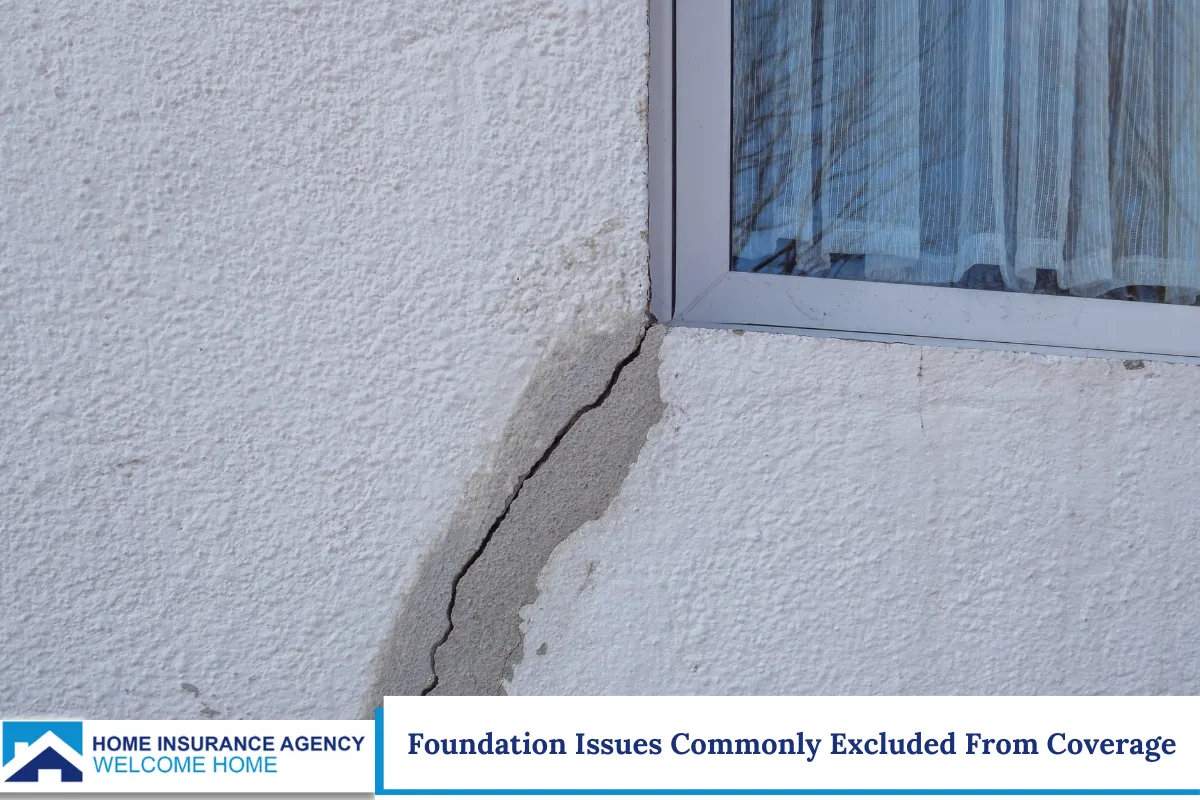
Many homeowners assume their policy covers all structural damage. Unfortunately, this is not the case. Home insurance policies include exclusions that frequently apply to foundation problems.
Soil Movement and Settlement
Damage caused by natural settling, shifting soil, or earth movement is one of the most common exclusions. This is particularly relevant in coastal South Carolina, where soil conditions fluctuate with moisture levels.
Flooding and Storm Surge
Flood-related foundation damage is not covered under standard homeowners insurance. This includes damage caused by heavy rainfall, storm surge, or rising groundwater. Separate flood insurance is required for these risks.
Wear, Tear, and Poor Maintenance
Cracks that develop gradually due to aging materials, construction defects, or lack of maintenance are not covered. Home insurance is designed for sudden events, not long-term deterioration.
Tree Roots and Landscaping Issues
Foundation damage caused by invasive tree roots or improper drainage often falls outside coverage, as it is considered preventable or maintenance-related.
The Role of Flood Insurance in Mt. Pleasant
Flood risk is a major factor for coastal communities. Mt. Pleasant homeowners are often surprised to learn that even minor flooding can lead to foundation instability.
Flood insurance, typically purchased separately, may cover:
- Foundation damage caused by rising water
- Soil erosion from floodwaters
- Structural instability linked to flood events
While flood policies have limitations, they are often essential for comprehensive protection in this region.
Read Does Homeowners Insurance in Mt. Pleasant, SC Cover Roof Replacement?
How Home Insurance Companies Evaluate Foundation Claims
When you file a foundation-related claim, home insurance companies conduct a detailed investigation. Adjusters assess the cause, timeline, and extent of the damage before approving or denying coverage.
They may review:
- Inspection reports
- Maintenance records
- Engineering assessments
- Photos and documentation of the damage
If the damage appears gradual or linked to excluded causes, the claim may be denied—even if repairs are urgently needed.
Preventive Steps That Protect Coverage Eligibility
While not all foundation issues are avoidable, homeowners can take steps that reduce risk and strengthen future insurance claims.
Helpful practices include:
- Managing proper drainage around the home
- Fixing plumbing leaks promptly
- Keeping gutters and downspouts clear
- Scheduling routine foundation inspections
- Maintaining detailed records of repairs and upkeep
These actions demonstrate responsible ownership, which can matter during claim reviews.
Policy Endorsements That May Help With Foundation Risks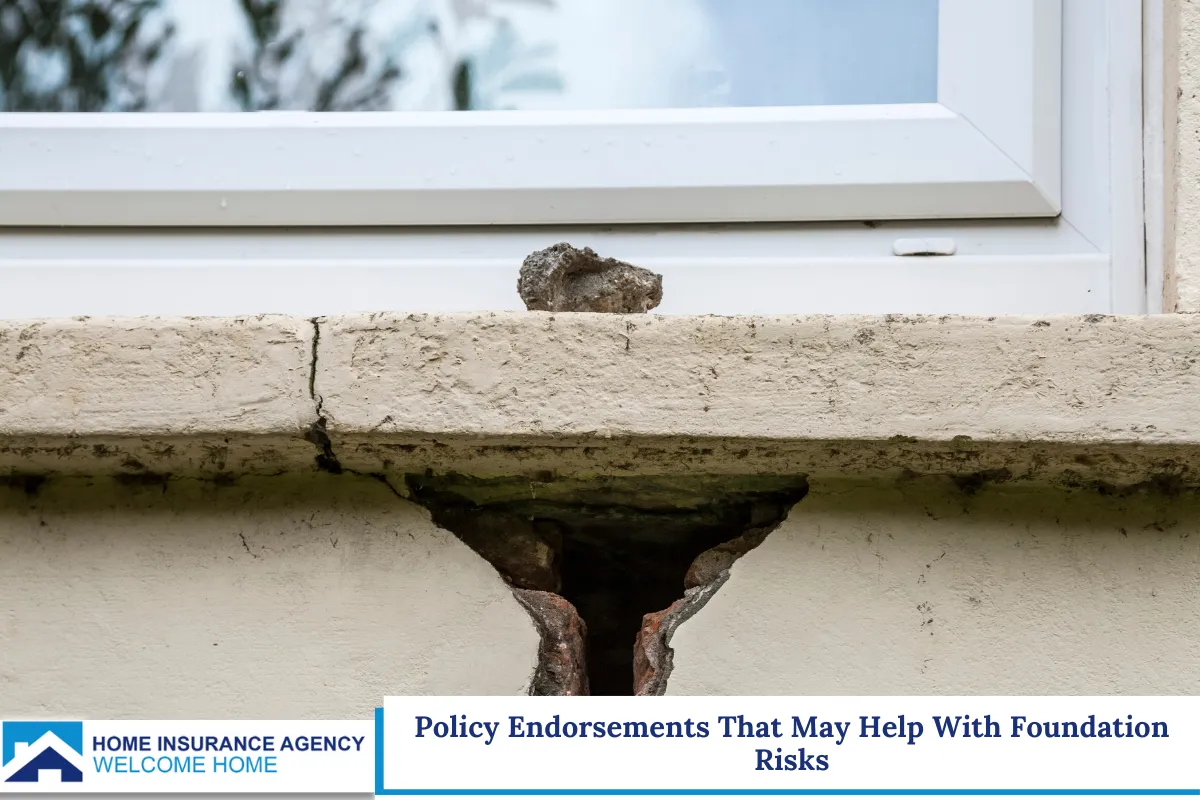
Some home insurance companies offer optional endorsements or add-ons that expand coverage. While these do not eliminate all exclusions, they can provide extra protection in certain scenarios.
Examples include:
- Limited water backup coverage
- Hidden water damage endorsements
- Service line protection
Availability varies by insurer, and coverage terms differ, so reviewing policy options carefully is essential.
Why Policy Language Matters More Than You Think
Two homeowners in the same neighborhood may have very different outcomes after similar foundation damage. The difference often comes down to policy wording.
Key terms to review include:
- Covered perils
- Exclusions and limitations
- Definitions of water damage
- Claim filing deadlines
Understanding these details before a problem arises can prevent costly surprises later.
What to Do If You Suspect Foundation Damage
If you notice signs of foundation trouble, acting quickly can limit damage and protect your insurance position.
Recommended steps:
- Document visible damage with photos and notes
- Address immediate safety concerns
- Schedule a professional inspection
- Review your homeowners insurance policy
- Contact your insurance provider to discuss next steps
Delays can worsen damage and complicate coverage decisions.
Making Smarter Insurance Choices for Long-Term Protection
Choosing the right homeowners insurance is not just about price. In areas like Mt. Pleasant, understanding local risks is essential.
A well-structured policy should align with:
- Coastal weather exposure
- Flood risk potential
- Soil and drainage conditions
- Property age and construction type
Tailored coverage helps ensure your home is protected against realistic threats.
Why Local Knowledge Makes a Difference
Insurance for homeowners is not one-size-fits-all. Local regulations, environmental conditions, and construction standards influence how policies are written and enforced.
Working with professionals who understand South Carolina insurance rules and coastal property risks can help homeowners avoid coverage gaps that only become apparent after damage occurs.
Closing Thoughts on Foundation Coverage and Peace of Mind
Foundation damage is one of the most stressful issues a homeowner can face. While homeowners insurance may cover certain foundation problems, coverage depends entirely on the cause of the damage and the details of your policy. In Mt. Pleasant, factors like soil movement, water exposure, and flood risk play a significant role. Reviewing your home insurance carefully, considering supplemental coverage, and addressing maintenance issues early can make the difference between financial relief and a major out-of-pocket expense. Informed decisions today help protect your home’s stability and your long-term peace of mind.
Homeowners Insurance in Mt. Pleasant, SC – Home Insurance Agency 
At Home Insurance Agency, we understand how confusing foundation coverage can be, especially when coastal risks are involved. From homeowners insurance in Mt. Pleasant, South Carolina to policies tailored for changing property needs, we help homeowners make confident decisions. We take the time to review coverage details, explain exclusions clearly, and recommend insurance options that actually fit your home. Whether you are concerned about foundation risks, water damage, or long-term protection, our team is here to help. We proudly serve Mt. Pleasant and the surrounding areas with personalized guidance and responsive service. Call us at (843) 867-3640 or fill out our contact form today to get reliable homeowners insurance support you can trust.
Frequently Asked Questions
Does homeowners insurance cover foundation cracks discovered during a home inspection?
Homeowners insurance typically does not cover foundation cracks discovered during a routine home inspection if they are related to wear, settlement, or long-term structural movement. Insurance policies are designed to cover sudden and accidental damage, not pre-existing conditions. If the inspection reveals cracks caused by an older issue or construction defects, repairs are usually the homeowner’s responsibility. However, if an inspection uncovers damage linked to a recent covered peril—such as a burst pipe or fire—coverage may apply. Documentation and timing are critical in these situations.
Can filing a foundation claim increase my insurance premiums?
Filing a foundation-related claim can impact your insurance premiums, depending on the claim’s cause and severity. Home insurance companies evaluate risk based on claim history. A single claim may not cause a significant increase, but multiple claims or claims tied to preventable issues can raise premiums or affect renewal options. It’s important to weigh repair costs against potential long-term insurance impacts. Discussing the situation with your insurer before filing a claim can help you make an informed decision.
Is mold from foundation moisture covered by home insurance?
Mold coverage varies by policy. If mold develops as a direct result of a covered peril—such as a sudden plumbing leak that affects the foundation—some homeowners insurance policies may offer limited mold coverage. However, mold caused by ongoing moisture issues, poor drainage, or flooding is often excluded. Many policies cap mold-related payouts, so reviewing limits and endorsements is important. Preventing moisture buildup around the foundation is one of the best ways to avoid uncovered mold damage.
Does insurance cover temporary housing during foundation repairs?
Temporary housing, often called loss of use or additional living expenses, may be covered if foundation damage makes the home uninhabitable and the damage resulted from a covered peril. Homeowners insurance can help pay for hotel stays, meals, and other living costs during repairs. If the foundation issue is excluded—such as settlement or flood damage—these expenses are typically not covered. Coverage limits and duration vary by policy.
How long do I have to file a foundation damage claim in South Carolina?
In South Carolina, homeowners insurance policies set specific timeframes for reporting damage, often requiring prompt notice once damage is discovered. Waiting too long can lead to claim denial, especially if the insurer believes the delay worsened the damage. While there is no single statewide deadline, policy terms usually control reporting requirements. Reviewing your policy and notifying your insurer as soon as foundation damage is suspected helps protect your right to file a claim.
Disclaimer: This article is for informational purposes only and does not constitute legal or insurance advice. Coverage availability and policy terms vary. Always review your specific homeowners insurance policy and consult a licensed insurance professional for guidance.